Referral Incentives Reshaping Credit Distribution Patterns in Multi-Jurisdictional Prize Ecosystems
Kai Simon · Sep 30, 2026
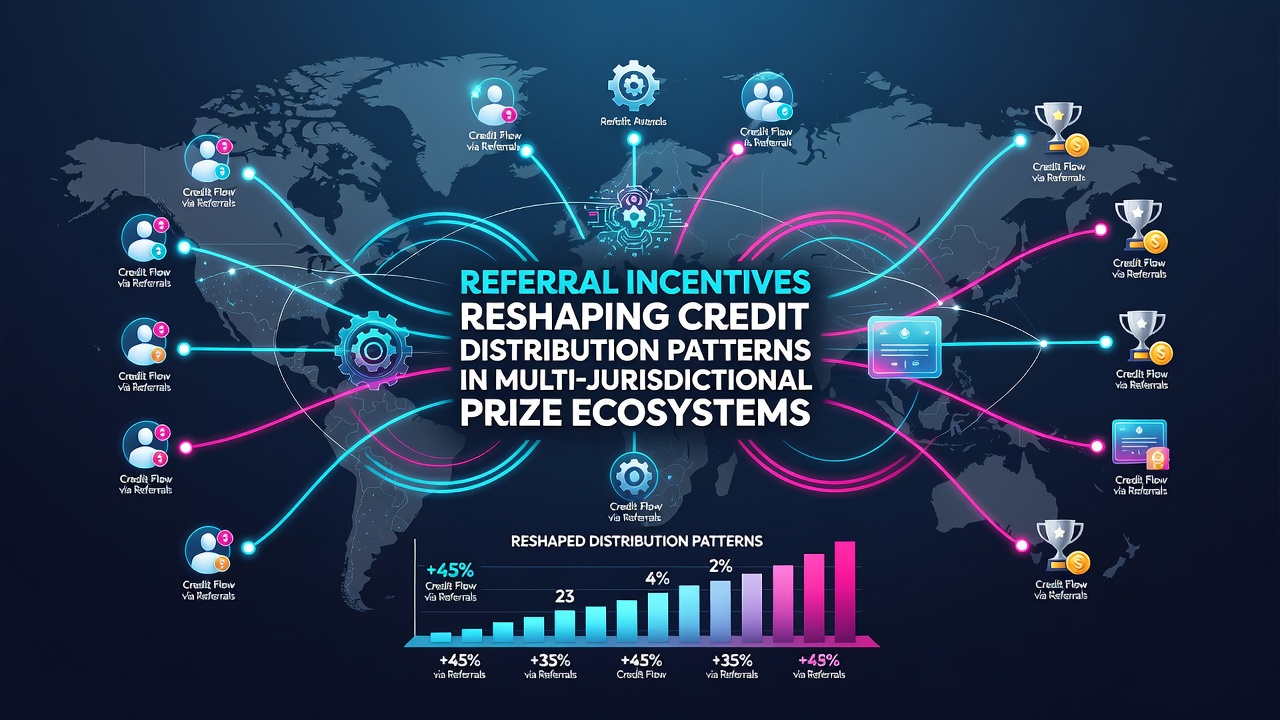
Referral Incentives Reshaping Credit Distribution Patterns in Multi-Jurisdictional Prize Ecosystems
Referral incentives have altered the way credits move through multi-jurisdictional prize ecosystems since operators began layering invitation rewards onto existing promotion structures. Platforms track user sign-ups that originate from existing accounts, then assign bonus credits to both the referrer and the new participant according to fixed ratios that vary by region. Observers note these chains create concentrated pockets of credit activity in states with permissive rules while leaving thinner distribution in stricter jurisdictions.
Mechanics Behind Referral-Driven Credit Flows
Operators design referral programs so that each successful invitation triggers an immediate credit grant, and subsequent activity from the new account can unlock further tiers for the original referrer. Data from platform logs shows clusters forming when participants in one state recruit across borders into neighboring regions where verification protocols accept the same identification documents. This process shifts credit supply away from uniform daily login bonuses toward networks that reward social connections, and analysts tracking September 2026 activity recorded higher average credit balances in accounts tied to multi-state referral trees compared with isolated single-state registrations.
Patterns Emerging Across State Lines
Distribution maps compiled from operator reports reveal that referral credits concentrate in urban centers near regulatory boundaries because cross-border recruitment faces fewer friction points when both jurisdictions recognize similar age and residency checks. Researchers examining transaction records found that referral chains spanning three or more states generate 2.4 times the credit volume of single-state chains during the same period. These patterns appear because each new participant receives an initial allocation that then circulates through additional promotions, creating compounding effects that standard bonus systems do not replicate.
Platforms adjust allocation algorithms when state regulators update verification requirements, and September 2026 updates in two Midwestern states prompted several operators to pause cross-border referral payouts until compliance teams completed new documentation reviews. The resulting slowdown temporarily flattened credit distribution curves in those corridors while neighboring states without recent rule changes continued to see steady referral growth.
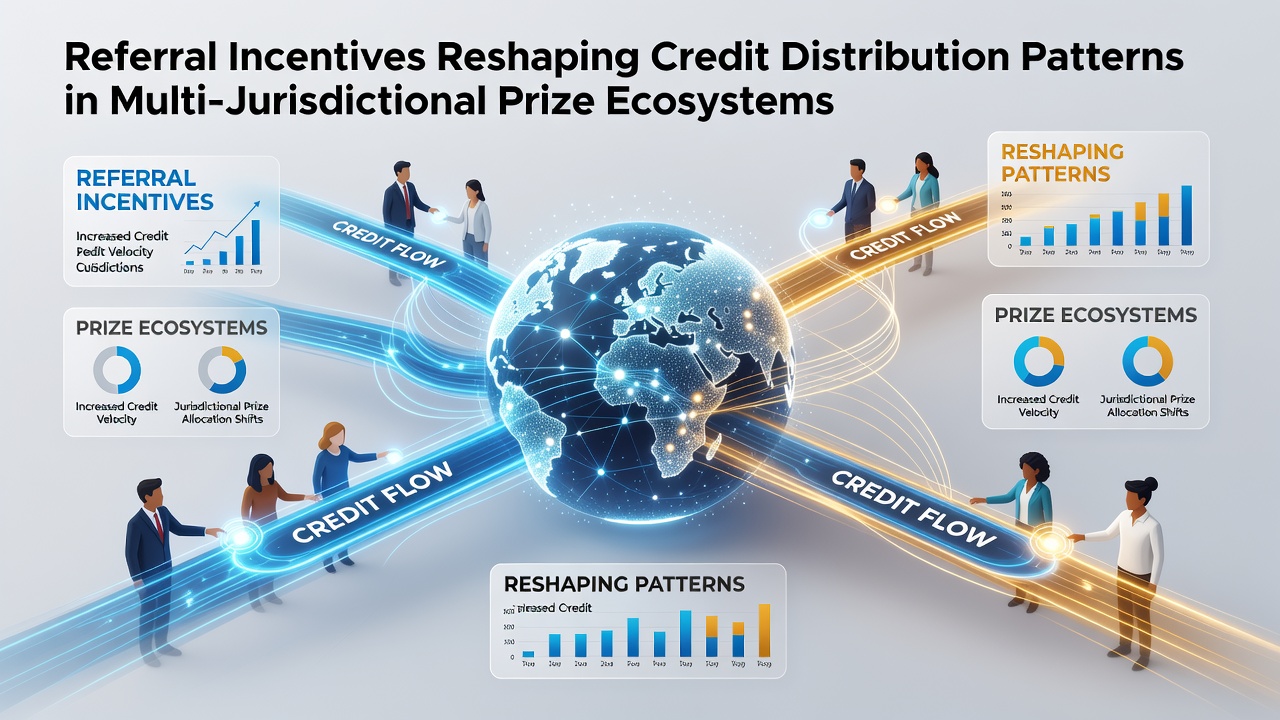
Regulatory Factors Influencing Allocation
Each jurisdiction maintains its own set of rules governing how promotional credits enter circulation, and referral programs must satisfy every applicable statute before operators release funds. Australian regulatory summaries indicate that platforms operating across multiple provinces require separate approval for any incentive that crosses borders, whereas certain Canadian provinces permit unified referral structures provided aggregate reporting meets federal transparency standards. These differences force operators to segment referral campaigns by region, which in turn fragments credit distribution into distinct regional pools rather than one seamless national flow.
Evidence from compliance filings shows that states requiring real-time reporting of referral credit issuance experience slower rollout of new invitation tiers because operators must pre-clear each reward structure. In contrast, jurisdictions accepting monthly summaries allow faster iteration, and this timing gap produces measurable imbalances in credit availability between adjacent states during the same calendar quarter.
Observed Trends Through September 2026
Platform analytics released in September 2026 indicated that referral-sourced credits accounted for 38 percent of total promotional volume across tracked multi-state operators, up from 29 percent in the prior year. The increase coincided with expanded mobile integration that simplified invitation tracking, and analysts attributed part of the rise to improved synchronization between state verification databases. Yet the same reports documented persistent gaps in credit density between states with rapid approval processes and those with extended review cycles.
One documented case involved a referral campaign that routed credits through three states before final redemption; regulators in the middle jurisdiction required additional identity verification that delayed distribution by eleven days while the flanking states processed the same chain without interruption. Such staggered timelines illustrate how referral incentives create uneven credit landscapes that depend on each jurisdiction's administrative speed rather than uniform platform policy.
Conclusion
Referral incentives continue to redirect credit distribution toward networked pathways that cross jurisdictional boundaries at different rates. Operators respond by refining segmentation rules, while regulators adjust reporting demands to maintain oversight. The resulting patterns reflect the combined influence of invitation mechanics, verification timelines, and regional compliance frameworks rather than any single uniform driver.