Community Interactions Driving Sustained Involvement in Interstate Prize Redemption Systems
Sam Keller · Nov 11, 2026
Community Interactions Driving Sustained Involvement in Interstate Prize Redemption Systems
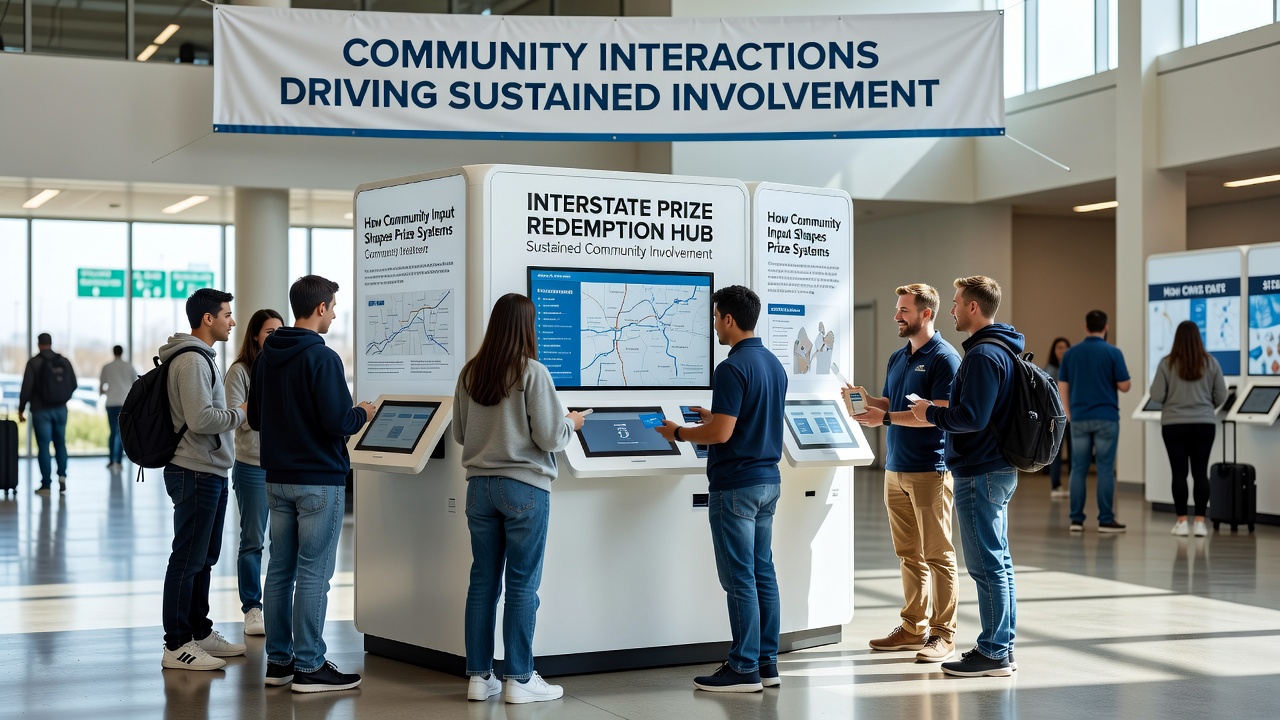
Interstate prize redemption systems operate across varying state regulations where participants navigate different verification requirements and payout timelines, and community interactions play a documented role in maintaining long-term engagement according to industry participation data. These networks consist of online forums, social media groups, and discussion boards where users exchange details on claim processes that differ from one jurisdiction to another, creating pathways for repeated involvement throughout 2026.
Patterns of Information Exchange Across Jurisdictions
Participants in these systems frequently share procedural updates on state-specific documentation needs, such as identity verification steps required in California versus those in Texas, and researchers have noted that such exchanges reduce individual learning curves while increasing repeat logins. Data from multi-state platforms shows that users who join community threads report higher retention rates over six-month periods compared with isolated accounts, because shared knowledge helps clarify redemption windows that shift with legislative updates. Observers note that in November 2026 several platforms introduced synchronized reporting tools that allowed community members to post real-time status updates on delayed claims, further tightening the connection between interaction frequency and sustained activity levels.
Role of Shared Experiences in Verification Processes
Verification protocols vary widely, and community discussions often center on successful sequences for uploading documents that satisfy multiple state agencies simultaneously. Those who have studied participation logs indicate that threads detailing step-by-step claim experiences correlate with improved completion rates, as newer users apply proven sequences rather than starting from scratch. Figures from regulated operators reveal that groups maintaining active moderation see fewer abandoned redemptions, since members flag outdated information and replace it with current requirements posted by verified winners.
Impact of Peer Support on Cross-State Claim Navigation
Support networks extend beyond simple advice into collaborative troubleshooting where members coordinate on timing submissions to align with processing cycles in neighboring states, and this coordination has been linked to higher overall redemption volumes in annual reports. One study released by the Alcohol and Gaming Commission of Ontario examined similar cross-border mechanics and found that structured community channels increased follow-through on prize claims by measurable percentages. Alcohol and Gaming Commission of Ontario data also highlighted how participants who exchanged timing strategies avoided common pitfalls such as missed deadlines caused by differing holiday schedules across state lines.
Long-Term Retention Through Collective Tracking Mechanisms
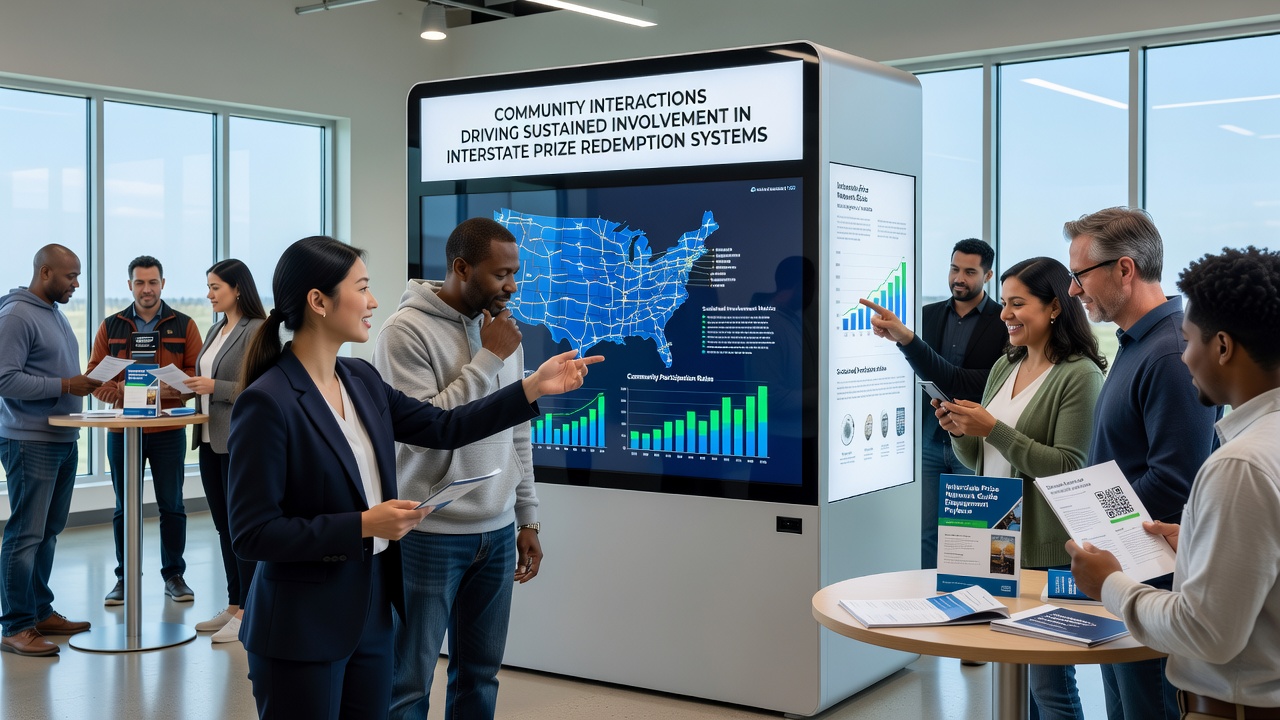
Collective tracking of prize statuses has emerged as another driver, with users maintaining shared spreadsheets or dashboards that monitor claim progress across several platforms at once. Evidence from platform analytics indicates that members who contribute to these resources demonstrate longer account lifespans, because the act of updating communal records reinforces personal commitment to seeing redemptions through. In late 2026 observers documented spikes in forum activity coinciding with end-of-year tax reporting periods, when participants pooled knowledge on forms required by different state revenue departments.
Moderation Structures and Information Accuracy
Moderated communities enforce rules that require sources for posted information, which in turn raises the reliability of advice circulating among members and supports continued platform use. Research indicates that platforms hosting such moderated spaces experience lower rates of support ticket submissions, since users resolve questions internally before contacting operators directly. Those monitoring engagement metrics have recorded that consistent moderation correlates with steady monthly active user counts rather than sharp seasonal drops.
Conclusion
Community interactions supply the connective tissue that keeps participants engaged with interstate prize redemption systems over extended periods by distributing procedural knowledge and maintaining collective accountability for claim outcomes. As regulatory landscapes continue to evolve, the documented patterns suggest these networks will remain central to how users navigate and sustain involvement across state boundaries.