Analyzing Engagement Loops Created by Recurring Incentives in Casino-Inspired Legal Gaming Apps
Gisela Lange · Oct 14, 2026
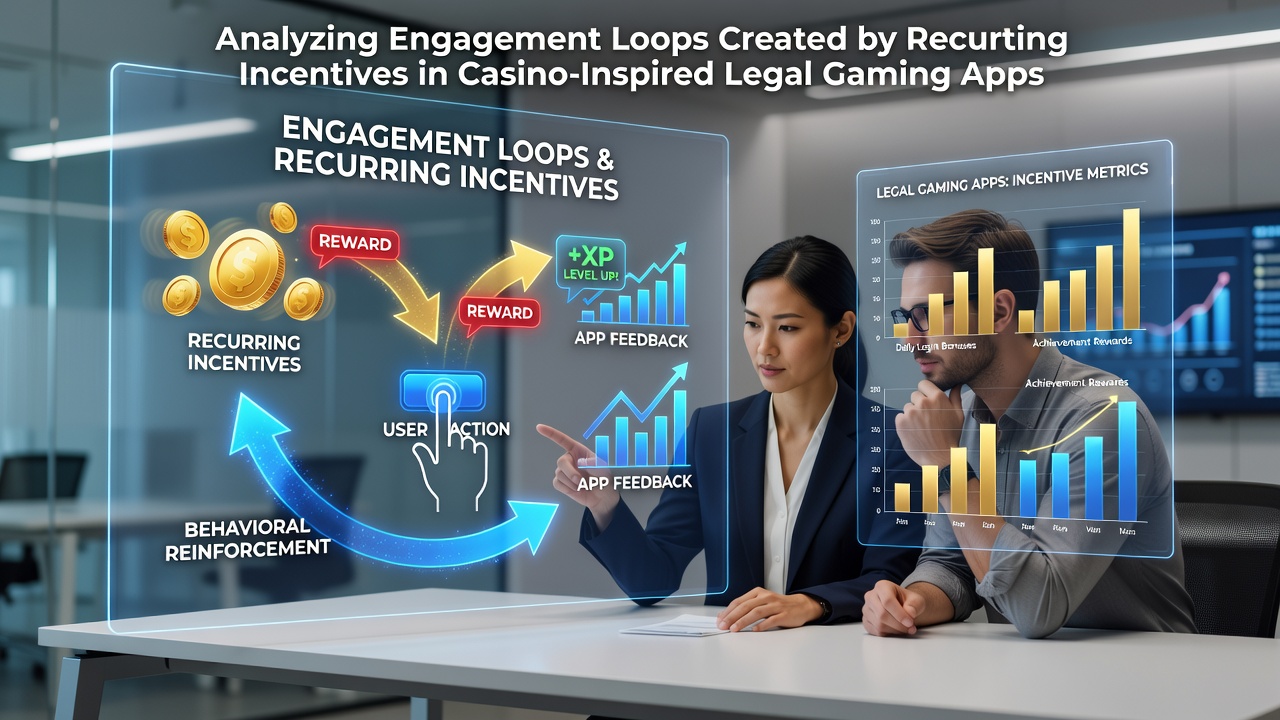
Analyzing Engagement Loops Created by Recurring Incentives in Casino-Inspired Legal Gaming Apps
Legal gaming apps modeled after casino experiences rely on structured recurring incentives to maintain consistent user activity across multiple jurisdictions. These incentives include daily login rewards, streak bonuses, and progressive credit allocations that reset on predictable schedules. Data from multi-state platforms shows participation rates climb when users receive notifications tied to these cycles, particularly in October 2026 when seasonal promotions aligned with holiday calendars in several regions.
Core Components of Incentive Structures
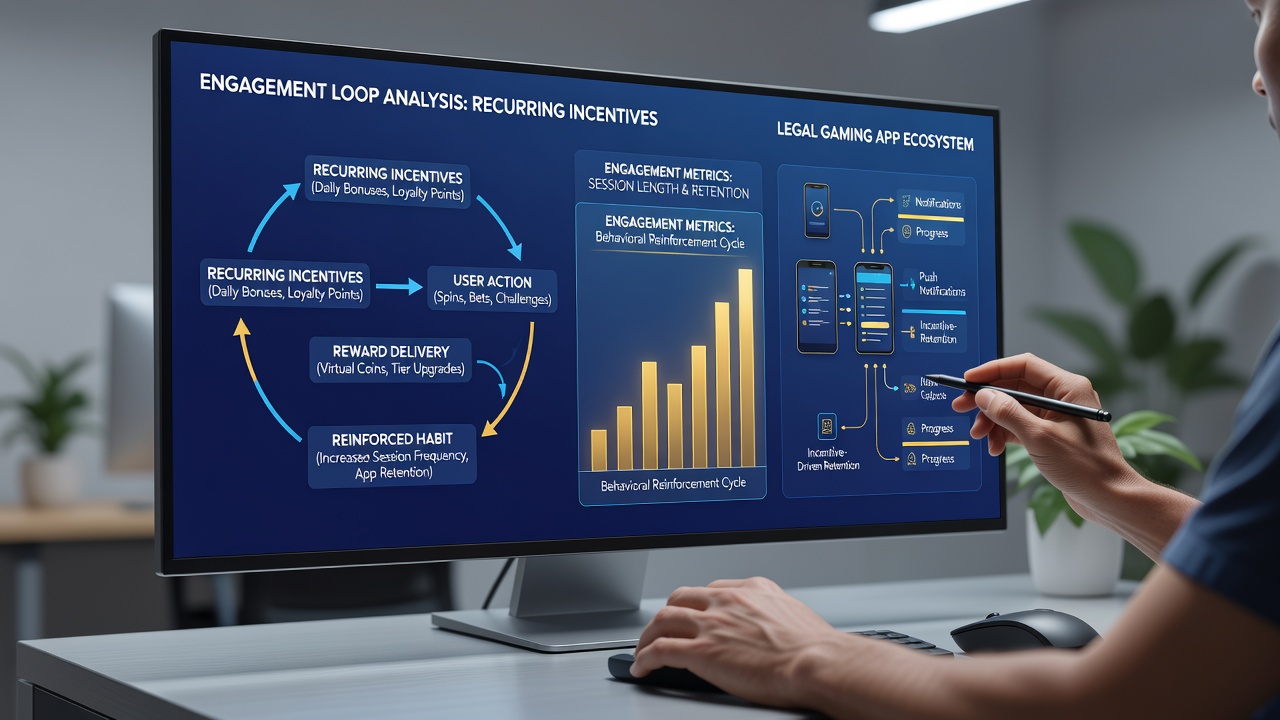
Recurring incentives operate through layered mechanics that combine fixed daily grants with variable multipliers based on consecutive logins. Operators track user sessions via account-linked data points, then adjust reward values to extend play sequences without violating state-specific prize regulations. Researchers at institutions monitoring digital contest platforms note that these systems create closed feedback loops where initial small rewards prompt additional actions, such as completing profile tasks or inviting contacts, to unlock larger allocations.
Platforms segment users by activity history, delivering tailored reminders that highlight remaining time on current streaks. This segmentation draws from aggregated metrics rather than individual profiling, allowing operators to comply with privacy rules while sustaining momentum. Figures from interstate prize events reveal that users who engage wth streak mechanics show higher return rates within 48-hour windows compared to those receiving only one-time bonuses.
Behavioral Patterns Observed in Platform Data
Engagement loops emerge when incentives align with natural usage intervals, such as morning check-ins or evening sessions. Studies tracking credit lifecycles across regulated applications indicate that reward notifications sent at these intervals increase session frequency by measurable margins. In October 2026, several platforms reported synchronized events where simultaneous incentive rollouts across states produced coordinated spikes in logins, demonstrating how timing influences loop strength.
Those monitoring user flows observe that partial progress toward a bonus often motivates completion steps, creating self-reinforcing cycles. For instance, a user at 80 percent of a required login count tends to return specifically to claim the final reward. This pattern holds across different app designs, though the exact thresholds vary by jurisdiction due to differing rules on promotional credit distribution.
Jurisdictional Influences on Loop Design
State verification protocols and coin allocation guidelines shape how incentives function in practice. Platforms operating across multiple borders must calibrate reward triggers to satisfy the strictest local requirements, resulting in standardized systems that still permit regional variations. According to reports from the New Jersey Division of Gaming Enforcement, operators adjust notification timing and reward visibility to avoid conflicts with advertising standards.
International comparisons highlight similar adaptations. Data compiled by the Australian Communications and Media Authority shows that recurring incentive models in licensed digital contest environments produce retention patterns comparable to those in North American markets when regulatory constraints remain consistent. These parallels suggest the underlying loop mechanics transcend specific borders while respecting local oversight.
Measurement Approaches Used by Analysts
Analysts evaluate loop effectiveness through retention curves, session duration averages, and redemption frequency. Platforms integrate real-time sync features that update user progress across devices, minimizing drop-off points caused by technical interruptions. Research from university-affiliated gaming studies centers indicates that seamless data synchronization correlates with longer active periods per incentive cycle.
Network performance metrics also factor into these analyses, as latency during peak hours can disrupt the immediate feedback users expect from reward systems. Operators address this through distributed server infrastructure, ensuring that credit updates and bonus claims process without noticeable delay in most cases.
Conclusion
Recurring incentives in casino-inspired legal gaming apps generate measurable engagement loops through predictable reward schedules and progress tracking. Data collected through October 2026 continues to demonstrate how these mechanisms sustain user activity when aligned with regulatory frameworks and technical capabilities. Observers tracking platform performance note that the effectiveness of such systems depends on precise calibration of timing, visibility, and jurisdictional compliance rather than any single element.